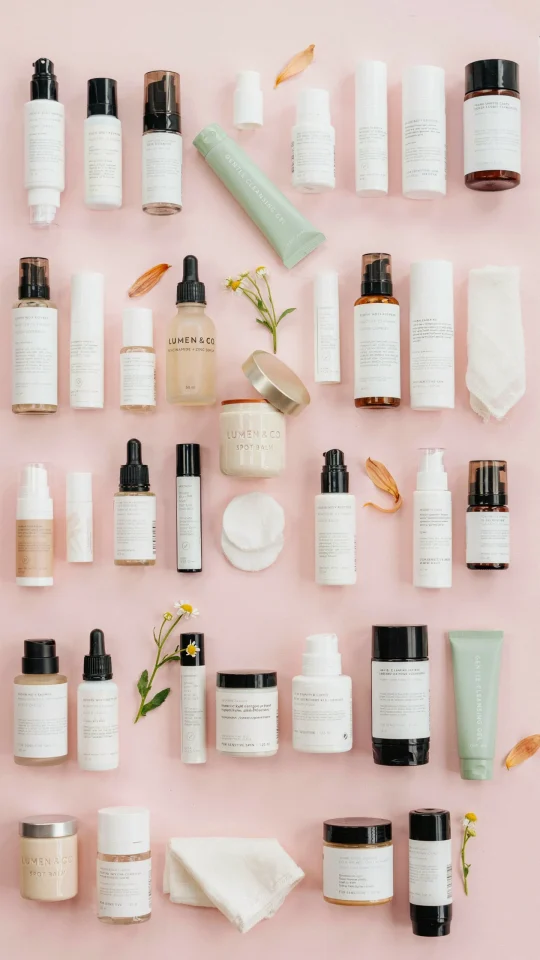
If you have ever dealt with persistent breakouts, you know how frustrating it can be to try product after product with no real change. Building a reliable acne care routine is not about loading up on harsh treatments or following some trendy ten-step ritual. It is about choosing the right ingredients, being consistent, and giving your skin time to heal. I have tested many methods over the years, and the approach I am sharing here is the one that finally calmed my inflammation and reduced new breakouts without drying me out. This routine is built on gentle, non-irritating steps that work with your skin, not against it. And the best part? It does not require a bathroom shelf full of expensive bottles. Just a few carefully selected products and a lot of patience.
1) Start With a Gentle Cleaner – Your Skin Deserves Kindness, Not Harshness
The first theme in this curated ideas roundup is all about how you wash your face. Many people believe that scrubbing hard or using a foaming cleanser with sulfates will zap their acne away. In my experience, that just makes things worse. Harsh cleansers strip the protective barrier, leaving your skin raw and prone to more breakouts as it tries to overcompensate with oil. Instead, look for a gentle acne treatment that uses soothing ingredients like aloe vera, green tea, or ceramides. A creamy or gel-based formula that lathers mildly is ideal. I have switched to a cleanser with 2% salicylic acid but only used it once a day, alternating with a plain hydrating cleanser at night. That balance kept my breakouts under control without making my face feel tight and irritated.
When you wash, use lukewarm water and massage the cleanser for about 30 to 40 seconds. Do not rub aggressively. Rinse gently and pat dry with a clean towel. This simple step sets the tone for the rest of your routine. If you start with a cleanser that respects your skin, the following steps will absorb better and work more effectively. For acneproneskin, a cleanser with niacinamide can also help calm redness over time. Just make sure it is free of fragrance and alcohol to avoid unnecessary irritation.
2) The Hydrating Toner That Does Not Clog – Lightweight Layers for Clear Skin
I used to skip toner entirely because I thought it was just an extra step with no real benefit. Then I discovered the difference a lightweight, hydrating toner can make. This second theme focuses on adding moisture without feeding the breakout cycle. Many traditional astringent toners contain witch hazel or high concentrations of salicylic acid that dry out the skin. But clearskintips from dermatologists and experienced skincare lovers emphasize layering hydration instead. Look for a toner with ingredients like centella asiatica, hyaluronic acid, or glycerin. These pull water into your skin without leaving a greasy residue.
To apply, pour a small amount into your palms and press it gently onto your face after cleansing. Do not use a cotton pad if your skin is sensitive; the friction can cause micro-tears and aggravate breakouts. I noticed that incorporating this step helped reduce the tight feeling after washing and made my skin look more plump and even. A hydrating toner is especially helpful during colder months or if you live in a dry climate. It creates a cushion that allows your moisturizer to work better. For skincareroutine consistency, keep this bottle on your counter so you do not forget to use it every morning and night.
3) The Oil-Free Moisturizer Myth – Why Hydration Is Non-Negotiable
Here is a theme that surprised me: moisturizer is essential even for oily, acne-prone skin. Skipping it often leads to more breakouts because your skin tries to compensate for lost moisture by producing extra sebum. The key is choosing an oil-free moisturizer that feels light and absorbs quickly. I have tried gel-based formulas, water creams, and even a few with squalane (which is lightweight and non-comedogenic). What matters most is that the product does not contain heavy oils like coconut oil or shea butter in high amounts. Instead, look for ingredients like dimethicone, hyaluronic acid, or a touch of glycerin.
Apply moisturizer while your skin is still slightly damp from the toner. This helps seal in the hydration. Use a pea-sized amount for your whole face, and avoid the eye area unless the product is formulated for it. I have found that sticking to a simple, fragrance-free moisturizer dramatically reduced the whiteheads and small bumps I used to get around my chin and jawline. If you are nervous about heavy creams, try a gel formula during the day and a slightly richer but still non-comedogenic option at night. Your skin needs that protection to heal properly from breakouts. This is a foundational part of breakoutrecovery that should never be skipped, no matter how oily you feel.
4) Consistency Over Perfection – The Real Secret to Clearer Skin
This next theme is not about a product but about a mindset. I have tried many routines and abandoned them after a few weeks because I did not see immediate results. The truth is, clear skin takes time, usually four to six weeks before you notice a real difference. The most effective skincareroutine is one you can stick to every single day, even when you are tired or stressed. That means keeping it short and simple. You do not need a ten-step process. A gentle cleanser, a hydrating toner, and a lightweight moisturizer are enough to get started. Add a spot treatment if you have active pimples, but avoid over-exfoliating or switching products too often.
To build consistency, create a small habit. Keep your products in the same spot and do your routine at the same time each day. I set a reminder on my phone for the first few weeks. After that, it became automatic. What helped me most was not expecting perfection. Some days my skin looked worse before it looked better, especially when purging from a new active ingredient. That is normal. Trust the process and resist the urge to try a new product every week. Your skin responds best to predictability. For anyone struggling with breakoutrecovery, consistency is the single most underrated factor. Give your routine at least two full months before you decide if it is working.
5) How to Spot a Non-Comedogenic Product (And Why It Is Not a Perfect Guarantee)
You have probably seen the term “non-comedogenic” on countless skincare bottles. This theme breaks down what that actually means and why it matters for your gentleacnetreatment approach. A non-comedogenic product is formulated with ingredients that are less likely to clog pores. That sounds great, but there is a catch. The term is not regulated, so a product can claim it even if it contains some pore-clogging ingredients. The best way to check is to look at the ingredient list. Avoid heavy oils like coconut oil, cocoa butter, and lanolin. Also watch out for certain silicones if your skin is very sensitive, though many silicones are actually fine for most people.
- Check for common pore-cloggers: isopropyl myristate, myristyl myristate, and acetylated lanolin alcohol.
- Look for safe bets: squalane, glycerin, hyaluronic acid, and dimethicone.
- Test one product at a time: introduce a new non-comedogenic product for two weeks before adding another.
- Pay attention to your skin: if you see new closed comedones after a week, that product might not be right for you.
I learned this the hard way by using a moisturizer labeled “non-comedogenic” that still gave me small bumps. It turned out the formula contained a tiny bit of shea butter. So do your own detective work. For reliable clearskintips, stick with brands that publish full ingredient lists and have a simple formulation. When in doubt, choose gel or water-based options. Your skin will thank you for being picky.
6) What to Avoid When You Are Breaking Out – A Few Realistic No-Nos
This final theme rounds up the mistakes that can sabotage your acne routine. I have made all of them, so I speak from experience. First, avoid physical scrubs with crushed walnut shells or rough beads. They create micro-tears in the skin that bacteria can enter, leading to bigger, angrier breakouts. Instead, use a gentle chemical exfoliant like salicylic acid or lactic acid once or twice a week, but only if your skin is not irritated. Second, do not pick or pop your pimples. I know it is tempting, but it almost always leaves a dark spot or a scar. Use a hydrocolloid patch on active spots overnight to reduce inflammation without touching them.
Third, be careful with makeup. Heavy foundations or concealers that are not labeled non-comedogenic can worsen breakouts. If you need coverage, search for mineral powders or lightweight, acne-safe foundations. And always remove your makeup before bed with a gentle cleansing oil or micellar water. Sleeping in makeup is a fast track to clogged pores. Finally, avoid changing your routine too frequently. Stick with what you have for at least a month before deciding it is not working. Jumping from product to product only confuses your skin and prolongs the breakout cycle. These simple adjustments have helped me maintain clearer skin without constant flare-ups.
Building an acne care routine does not have to be overwhelming. Focus on the core steps: a gentle cleanser, a hydrating toner, and a lightweight, non-comedogenic moisturizer. Be patient and consistent, and give your skin time to adjust. Listen to what it tells you and adjust accordingly. If you found this approach helpful, save this post for your next skincare refresh. And if you have a tip that worked for you, share it in the comments. I would love to hear what has helped your skin stay calm and clear.
#acneproneskin #skincareroutine #breakoutrecovery #gentleacnetreatment #clearskintips
Leave a Comment