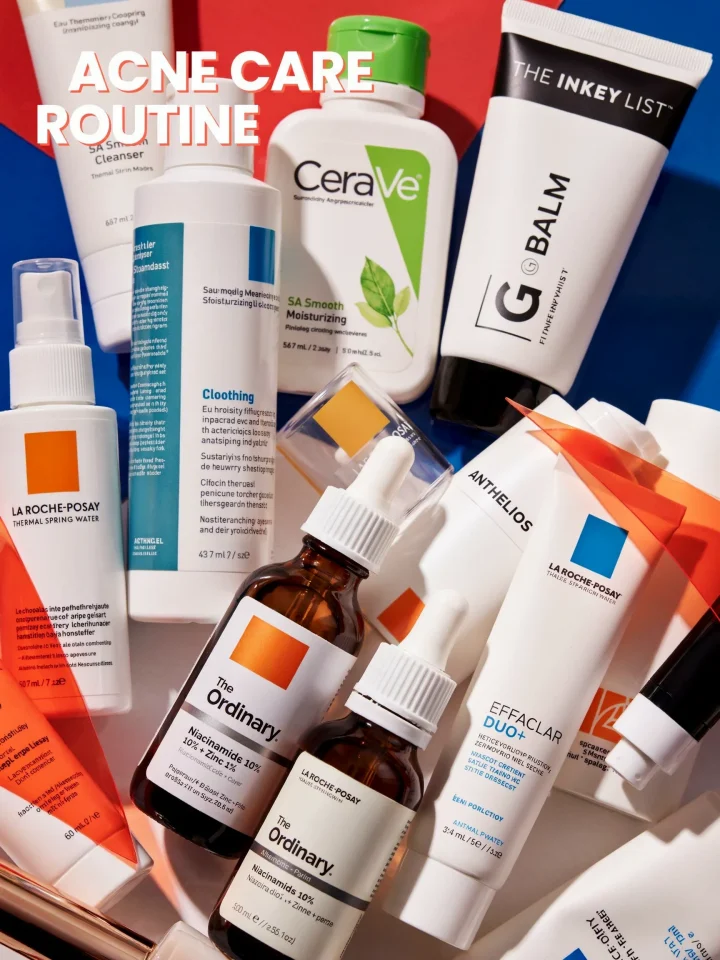
If you have sensitive, breakout prone skin, you already know the struggle. One wrong product and your face stings, turns red, or breaks out in angry bumps. But you also cannot ignore acne just because your skin is reactive. What you need is an acne care routine for sensitive skin that works fast without stripping or irritating. And the good news is, you do not need expensive dermatologist brands to get clear skin. This guide is built around affordable, real options that soothe inflammation and stop breakouts before they start. I have tested many of these products myself (and made plenty of mistakes along the way) so I know what really works when your skin is both oily and easily upset.
Why Sensitive Skin Needs a Gentle Acne Care Routine
When your skin is sensitive, harsh acne treatments do more harm than good. Strong benzoyl peroxide washes, high concentration salicylic acid, and alcohol based toners can strip your moisture barrier. That triggers more oil production and leads to even more breakouts. It becomes a vicious cycle of dry flaky patches and new pimples.
A gentle approach focuses on calming inflammation first. Your biggest goal is to reduce redness and irritation while unclogging pores slowly. This is especially important if you have rosacea, eczema, or a history of allergic reactions to skincare. The right routine strengthens your barrier so your skin can heal itself and resist future breakouts.
I learned this the hard way. I used to scrub my face with a harsh salicylic acid cleanser every morning and night. My skin looked raw, but I thought it meant the product was working. It was not. It took months to repair the damage and find a balanced routine. That is why I always say: for sensitive, acne prone skin, gentle is actually more powerful than aggressive.
Starting Simple: The Best Non Comedogenic Cleanser for Breakout Prone Skin
Your cleanser sets the tone for everything else. It needs to remove excess oil, sunscreen, and pollution without stripping your skin. Look for a non comedogenic cleanser for breakout prone skin that has a low pH (around 5.5) and contains soothing ingredients like aloe vera, glycerin, or ceramides.
I recommend two budget friendly options. First, the CeraVe Hydrating Facial Cleanser. It is fragrance free, non comedogenic, and has ceramides to maintain your skin barrier. Second, the La Roche Posay Toleriane Hydrating Gentle Cleanser. It uses niacinamide and glycerin to calm redness while cleansing. Both cost under 15 dollars and last for months.
Do not use a foaming cleanser if your skin is easily irritated. Foaming agents can be too drying. Stick with a cream or gel to lotion texture. Rub gently with your fingertips for 30 seconds, then rinse with lukewarm water. Pat your face dry with a soft towel. No rubbing.
Calm and Clarify: How Niacinamide Serum Helps Sensitive Acne Prone Skin
After cleansing, the next step is a serum. For sensitive acne prone skin, niacinamide is your best friend. This ingredient (also called vitamin B3) does three things at once. It reduces inflammation, controls oil production, and helps fade dark spots left by old breakouts. It is also extremely well tolerated by sensitive skin.
A niacinamide serum for sensitive acne prone skin should be 4% to 5% concentration. Higher percentages (like 10%) can cause stinging for some people. Start with a lower strength and use it every other day to see how your skin reacts. I personally use The Ordinary Niacinamide 10% + Zinc 1%, but I mix a few drops with my moisturizer to lower the concentration. That trick works perfectly.
Apply 2 to 3 drops after cleansing, while your skin is still slightly damp. Let it absorb for a minute. Do not layer too many active ingredients at once. If you also use a retinol or vitamin C serum, apply niacinamide in the morning and the other active at night. That prevents potential irritation.
- Product tip: Good Molecules Niacinamide Brightening Toner is a lighter option that still calms breakouts.
- Price range: Most niacinamide serums cost between 6 and 18 dollars.
- Patch test first: Apply a small amount behind your ear for 24 hours to check for reactions.
Moisturize Without Clogging: Oil Free Moisturizer for Reactive Skin
People with sensitive, acne prone skin often skip moisturizer because they think it will cause breakouts. That is a mistake. When your skin is dehydrated, it compensates by producing more sebum. A lightweight, oil free moisturizer for reactive skin keeps your barrier intact without adding greasiness.
Look for ingredients like squalane, hyaluronic acid, glycerin, and dimethicone. These hydrate without feeling heavy. Avoid coconut oil, shea butter, and heavy silicones if they clog your pores. One affordable winner is the Neutrogena Hydro Boost Water Gel. It is oil free, non comedogenic, and has hyaluronic acid for lasting hydration. Another great option is the Avene Tolerance Control Soothing Skin Recovery Cream. It is extremely minimal with only seven ingredients, perfect for reactive skin.
Apply moisturizer while your face is still damp from the serum. That locks in hydration better. Use about a pea size amount. If your skin feels tight or flaky later in the day, you might need a slightly richer texture, but always check the ingredient list for pore cloggers.
Budget Friendly Product Swaps That Actually Work
Building an effective acne care routine does not have to empty your wallet. Here are some real product swaps that save money without sacrificing results. I have tried all of these and they work as well as luxury versions.
- Instead of a 40 dollar cleansing balm, try the Simple Kind to Skin Hydrating Cleansing Oil. It is gentle, removes makeup, and costs under 8 dollars.
- Instead of a fancy chemical exfoliant, use the COSRX AHA 7 Whitehead Power Liquid once a week. It is under 20 dollars and mild enough for sensitive skin.
- Instead of a high end spot treatment, dab a tiny bit of sulfur based mask (like the De La Cruz Sulfur Ointment, about 8 dollars) on individual pimples. Leave on for 10 minutes, then rinse.
- Instead of a pricey sleep mask, use a thin layer of plain cica toner (like the Purito Centella Green Level Calming Toner) as a soothing last step.
You do not need a 10 step routine. A cleanser, a serum, and a moisturizer are enough. Add a spot treatment only when you have active breakouts. Stick to these three core steps for at least 4 weeks before adding anything new.
Consistency Over Perfection: Building a Consistent Skincare Routine for Sensitive Skin
The single most important part of any acne care plan is consistency. You cannot use a product for three days, get impatient, and switch to something else. Your skin cells turn over roughly every 28 days. That means you need to give a routine at least one full month before judging results.
Building a consistent skincare routine for sensitive skin means keeping it simple and doable. Choose one morning and one evening routine. Keep both with the same few steps. Write it down or set a phone reminder. I keep my products on the bathroom counter in order of use, so I never skip a step.
Here is my go to schedule. Morning: splash water (no cleanser), niacinamide serum, oil free moisturizer, sunscreen. Evening: gentle cleanser, niacinamide serum, moisturizer. That is it. On days when my skin feels extra reactive, I skip the serum and just cleanse and moisturize. Listen to your skin. If it stings or burns, give it a break.
When to Add Extra Steps (Without Overwhelming Your Skin)
Once your core routine is stable for a month, you can consider adding one more product. Maybe a gentle exfoliant once a week to speed up cell turnover. Or a specific spot treatment for cysts. But always add products one at a time and wait 2 weeks before adding another. That way you can tell if something triggers a reaction.
A good option for sensitive skin is a low concentration azelaic acid serum (around 10%). It calms redness, treats acne, and fades marks. The Ordinary Azelaic Acid Suspension 10% costs less than 10 dollars. Apply it after your serum and before moisturizer, just on areas with breakouts or redness. Start with every third night, then increase slowly.
Another step you might want later is a mineral sunscreen with zinc oxide. Chemical sunscreens can sting sensitive skin. Mineral ones sit on top and reflect UV rays. Look for options like the Australian Gold Botanical Tinted Face Sunscreen SPF 50. It is affordable, non comedogenic, and helps even out skin tone.
Clear skin from a gentle routine is not a quick fix. It is a slow, steady process that respects your skin’s limits. Focus on soothing, hydrating, and protecting rather than nuking every pore. Your face will thank you with less redness, fewer breakouts, and a healthier glow.
What is the first gentle product you plan to try? I would love to hear your experiences in the comments below. Start your clear skin journey today with one small swap, and stick with it for a month. You have got this.
#AcneCareRoutine #SensitiveSkinSkincare #BreakoutProneSkin #GentleSkincare #ClearSkinTips
Leave a Comment