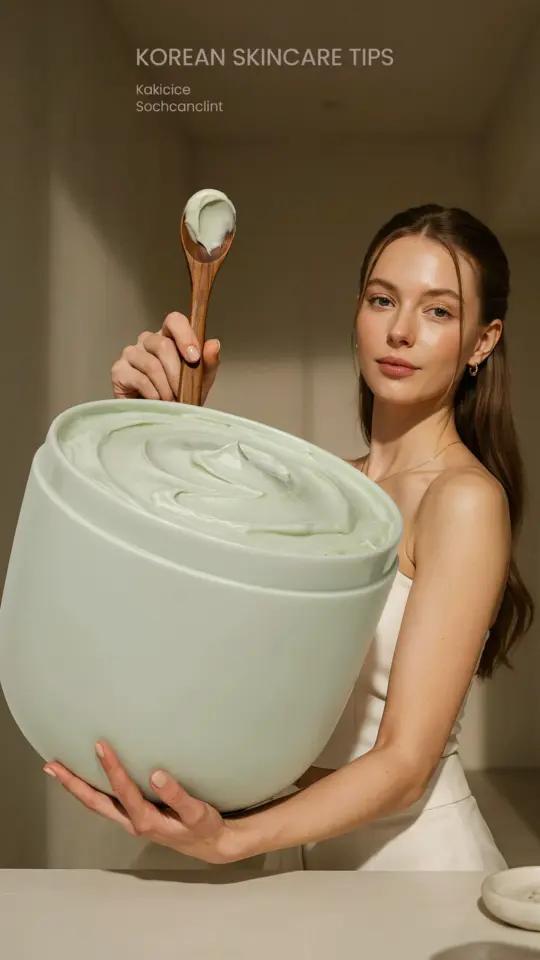
I first tried a Korean rice mochi face cleanser about six months ago, and honestly, I was skeptical. Could one product really replace my foaming wash, my gentle scrub, and my weekly mask? After using it nearly every night since, I can say it does. This rice mochi cleanser has become the most versatile step in my skincare routine, and it helped minimize my pores more than any clay mask ever did. Let me share exactly how it worked for me and what you can expect if you add it to your own routine.
Why I Switched to a Rice Mochi Cleanser for My Daily Skincare Routine
I used to layer products. I had a separate foaming cleanser, a physical scrub for weekends, and a clay mask once a week. My skin felt clean but often stripped or irritated. A friend recommended a Korean rice mochi cleanser, explaining it combines all three steps into one. The texture is unique: it starts as a soft, pillowy balm and transforms into a light foam when you add water.
Rice powder is the key ingredient. It gently exfoliates without the harshness of microbeads or walnut shells. For me, that meant fewer red patches after cleansing. I also appreciated that the rice mochi formulation is moisturizing, so my face never felt tight afterward. Switching to this one product simplified my morning and evening routines without sacrificing results.
How This Cleanser Works as a Gentle Scrub and Foaming Cleanser
The magic lies in the mochi texture. When you first scoop out a small amount, it feels like a soft, sticky dough. As you massage it onto dry skin, the rice granules provide a gentle scrub. They are fine enough to polish away dead skin cells but not sharp. I use it on damp skin for a lighter exfoliation or on dry skin for a deeper scrub.
Then comes the foam. Add a few drops of water, and the mochi transforms into a creamy, bubbly lather. It rinses off cleanly and leaves no residue. Here is what I love about the dual action:
- It removes makeup and sunscreen effectively without a double cleanse (though I still use an oil cleanser if I wore heavy makeup).
- The foaming step helps lift dirt from pores without over-drying.
- I never need a separate scrub now, which saves money and shelf space.
If you have sensitive skin like mine, start by using it as a scrub only twice a week and as a foaming cleanser daily. My skin adapted quickly.
Does It Really Minimize Pores? What I Noticed
I was most curious about the pore minimizing claim. After about three weeks of consistent use, I noticed my pores around my nose looked smaller and less congested. The combination of gentle exfoliation and deep cleansing cleared out the debris that makes pores appear larger. Rice extract also has astringent properties that help tighten the skin over time.
Important: this cleanser does not shrink pores permanently. No topical product can do that. But it keeps them clean and refined, so they look less noticeable. I stopped getting those little white bumps on my chin. My forehead also looked smoother. For me, that is the real win: smoother texture and fewer clogged pores.
To maximize results, I massage the mochi cleanser into my nose and chin for a full 60 seconds before rinsing. That extra time allows the rice granules to work into the pores. I also use a soft silicone brush once a week to boost the effect.
Using It as a Moisturizing Mask: My Tips
The product description says it works as a moisturizing mask, and I was skeptical at first. But I tried it. Instead of rinsing immediately, I applied a thicker layer to dry skin and left it on for five minutes while I brushed my teeth. The mochi texture does not dry down completely, so my skin stayed comfortable. After rinsing, my face felt plump and hydrated.
This is not a replacement for a sheet mask, but it works well as a quick boost before an event or when my skin feels dull. Here is how I use it as a mask:
- Apply a generous amount to dry, clean skin.
- Let it sit for three to five minutes.
#koreanskincare #ricecleanser #foamingcleanser #poreminimizing #gentlescrub
Leave a Comment