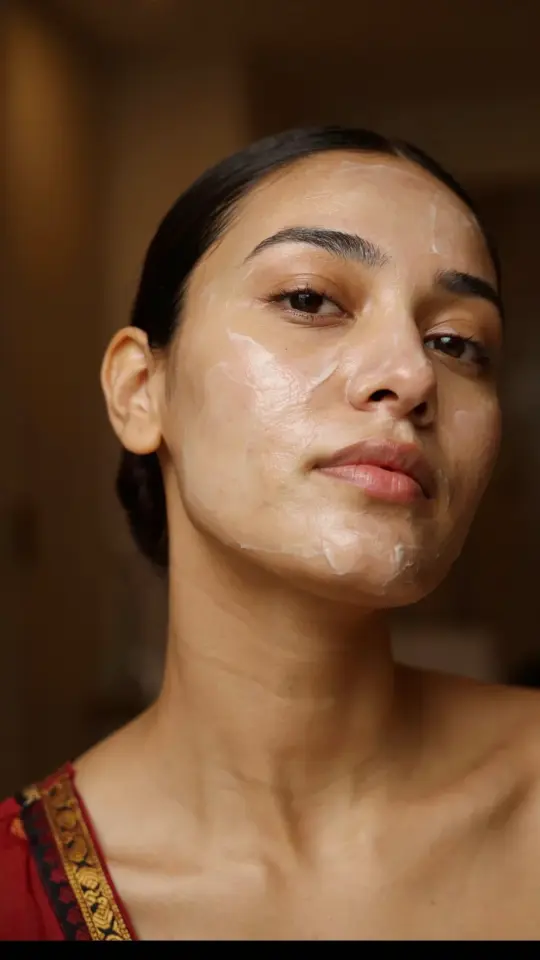
Why Dry Skin Needs a Specific Night Routine
If you have dry skin, you already know the struggle. Your face feels tight after washing, fine lines look more obvious in the evening, and then blemishes pop up out of nowhere. It feels unfair. You want something that hydrates but also fights aging and clears those little bumps. That is exactly why this night skincare routine for dry skin exists. It targets all three issues at once without stripping your barrier or causing irritation. You need to treat dryness and aging together because dehydrated skin shows wrinkles faster. And those blemishes? They are often a sign your skin is trying to overcompensate with oil or reacting to dryness. So let me walk you through a step by step plan that actually works.
Step 1: Start with an Oil Cleanser for Dry Skin
Skip the foaming cleansers at night. Your dry skin needs something that dissolves makeup, sunscreen, and dirt without stripping natural oils. An oil cleanser is the perfect first step. I use one with jojoba or squalane because they mimic your skin’s own sebum. Massage it onto dry skin for a full minute. You will feel grit and makeup melting away. Then add a little water to emulsify and rinse. This step prepares your skin to absorb everything that comes next. If you wear heavy foundation or waterproof mascara, an oil cleanser is non-negotiable. It also helps loosen dead skin cells that can clog pores and cause blemishes.
- Choose an oil cleanser with jojoba, squalane, or grapeseed oil.
- Massage for 60 seconds – do not rush.
- Rinse with lukewarm water, not hot.
Step 2: Hydrating Toner to Restore Moisture
After cleansing, your skin is temporarily stripped. You need to flood it with hydration right away. A hydrating toner (not astringent) does the job. Look for ingredients like glycerin, hyaluronic acid, or panthenol. Apply it while your face is still damp. I pat it in with my hands instead of using a cotton pad. This locks in water and plumps up the top layer. For dry skin, a toner is not optional. It helps your serums penetrate better and calms any tightness. If you have blemishes, avoid toners with alcohol or witch hazel. Stick to gentle, soothing formulas.
Step 3: Retinol Serum for Anti-Aging and Blemishes
Retinol is the star here. It speeds up cell turnover, which smooths fine lines and helps prevent clogged pores. But dry skin can react badly to retinol if you are not careful. That is why I recommend buffering. Apply your moisturizer first, wait five minutes, then apply retinol. Or mix a pea sized amount of retinol with your moisturizer. This reduces irritation while still giving you results. Start with a low strength (0.25% or 0.3%) and use it only two nights a week. Build up slowly. For blemishes, retinol helps unclog pores and fades dark spots. Just keep your skin well hydrated. If you notice redness, take a night off and focus on barrier repair.
Step 4: Lock It In with a Rich Night Cream
After retinol, you need a heavy cream that seals all the hydration in. Dry skin loves occlusives like shea butter, ceramides, or petrolatum. Look for a night cream that feels thick and creamy. I spread a generous layer over my face and neck. Do not be afraid to use more than you think you need. This step prevents transepidermal water loss while you sleep. It also gives your retinol a safe environment to work without causing peeling. If you want an extra boost, add a few drops of facial oil (like rosehip or marula) to your night cream. That is like a big drink of water for dry skin.
Extra Blemish Tips for Dry Skin
You might think blemishes mean you need to dry out your skin. That is a myth. For dry skin, blemishes often come from irritation, not excess oil. So treat them gently. Use a spot treatment with azelaic acid or sulfur instead of benzoyl peroxide. Those are less drying. Also, change your pillowcase every two or three days. I also wash my hands before touching my face at night. Another trick: apply a thin layer of hydrating serum with niacinamide before your retinol. Niacinamide calms redness and helps control breakouts without stripping. And please do not pick at blemishes. Dry skin takes longer to heal.
- Use gentle spot treatments – azelaic acid or sulfur.
- Change pillowcases frequently.
- Add niacinamide serum for blemish control and barrier support.
- Never skip moisturizer even on blemishes.
Common Mistakes to Avoid in Your Dry Skin Night Routine
I have seen people with dry skin use harsh physical scrubs at night. Do not do that. It breaks your moisture barrier and makes fine lines worse. Another mistake is skipping the toner because you think it is unnecessary. Your skin needs that hydration boost. Also, do not layer too many actives. Stick to one or two. Overloading your skin with AHAs, BHAs, and retinol at once will cause redness and flaking. Finally, do not sleep without a humidifier in your bedroom during winter. Dry air sucks moisture from your skin. A small humidifier makes a huge difference for plumpness and reducing blemishes caused by dehydration.
This night skincare routine for dry skin is simple but effective. Start slow, listen to your skin, and adjust based on how you feel. In a few weeks you should see fewer fine lines, less tightness, and blemishes that calm down instead of flaring up. Try it tonight and let your skin wake up smoother and brighter. Have you tried any of these steps? Drop a comment below if you have a favorite product for dry skin. I would love to hear what works for you.
#nightskincareroutine #dryskincareroutine #antiagingskincare #blemishproneskin #skincaretips
Leave a Comment